Human nature is given, not invented
Dignity precedes the state, but dignity does not mean absolute autonomy.
Hebrew ScripturesAristotle

First principles
Not a closed catechism, but a moral grammar: claims about the person, authority, property, institutions, citizenship, justice, and time.
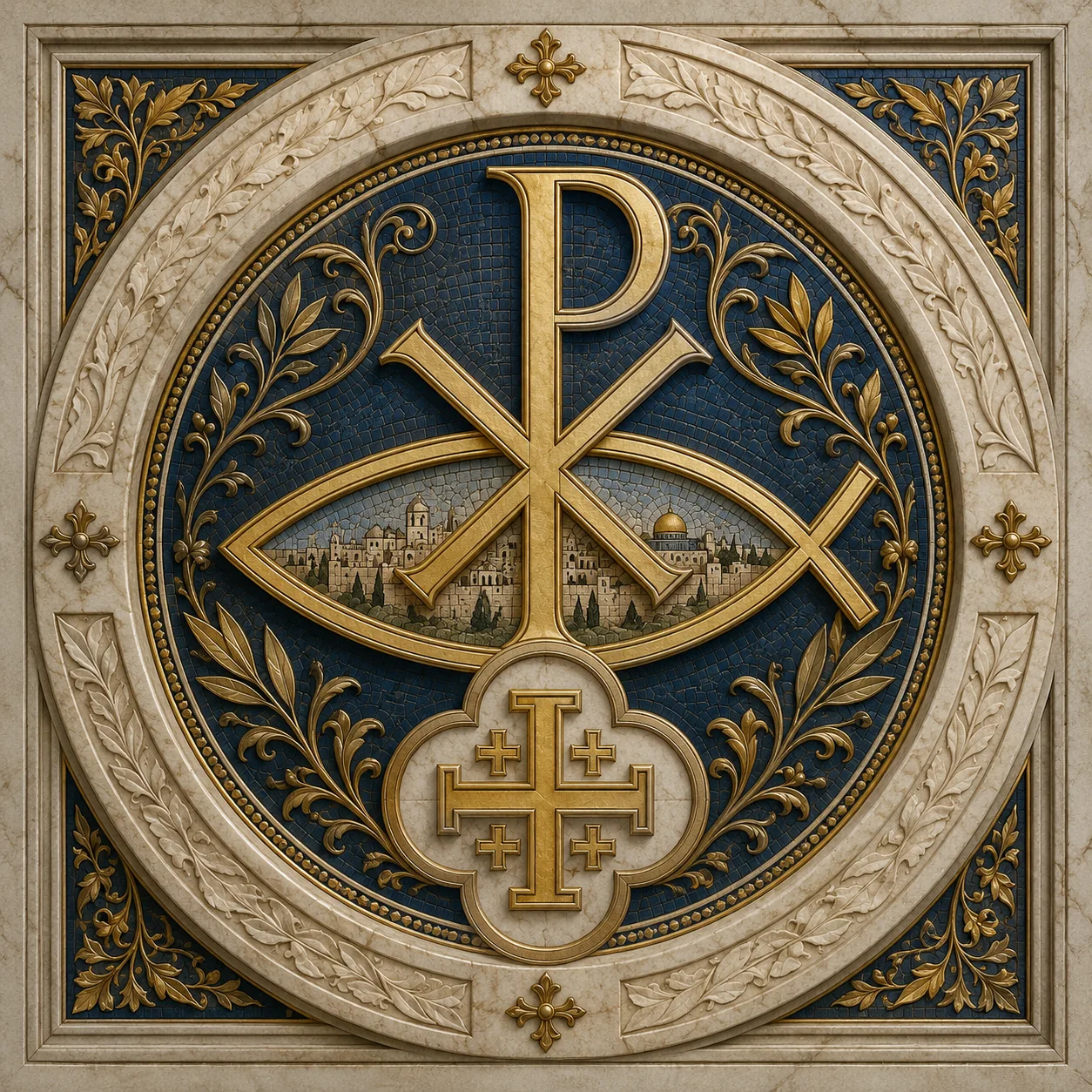
Foundation and public claim
Christian in foundation. Constitutionally pluralist in political application.
The framework speaks from a definite inheritance while recognizing that political authority is limited, conscience is protected, and civic cooperation does not require theological uniformity.
Dignity precedes the state, but dignity does not mean absolute autonomy.
Freedom is the political space for responsible agency, not the removal of every limit.
Universal dignity is real; our concrete obligations are particular and unequal in kind.
Before citizens, workers, or clients, there are children formed in households.
Distributed ownership protects freedom; legitimate ownership also carries duties.
Responsibility should remain low and near; no vulnerable person should be abandoned.
Government should be strong within its proper sphere and never unlimited anywhere.
Technical knowledge can guide means; it cannot choose the highest ends.
A civilization needs places worth loving and forms worth handing on.
A nation is a historical political community, not merely an economic zone.
Order without mercy becomes cruelty; mercy without order becomes abandonment.
The living govern conditions the unborn cannot yet defend.
How to use them
No principle governs alone. Property requires duty. Solidarity requires subsidiarity. Mercy requires order. Expertise requires accountable authority. Conservation requires reform. The framework lives in these pairings.
See the policy implications